Lonely Boat

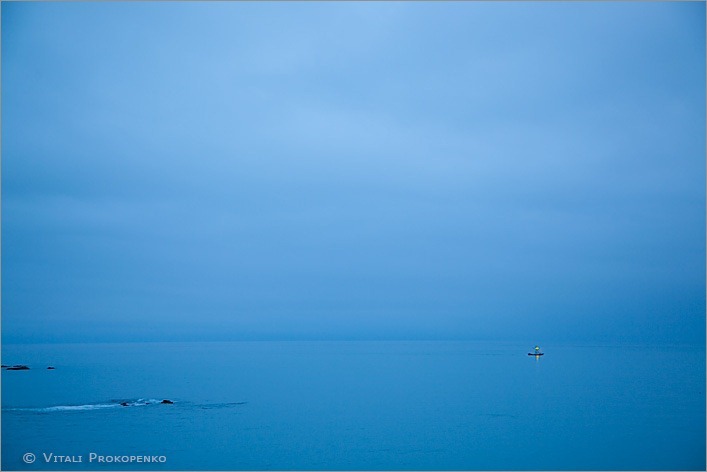
Do you ever feel lost in space?

There seems to be a pattern of photos throughout the years I photograph, kind of lost in space photos with a subject lost in a lot of blank space around it. Like Stillness. Lost in Fog or Lighthouse.

On a trip to The Lost Coast (no punt intended) last May I took another lost in space photo. This time a lonely boat in the ocean.

Lonely Boat
Lonely Boat

Persistence Pays Off

I’ve passed by Lake Crescent many many times. It is a large lake and one of the important features of Olympic National Park with its deep incredibly clean water. Over the years I’ve stopped at different places around it and taken several photos,  but have not got any really interesting ones.

Eventually I gave up and was just passing it by on my way to the beaches of the Pacific coast. But as you know persistence pays off. So, this summer I was driving from the beaches back home and as usual my way back was around the lake. This time was different…

I saw this beautiful scene. Finally the lake opened up its soul to me. It was calm and serene. Mist was hanging over the lake hiding the west bank. Mountain ridges were coming down to the lake becoming softer and softer in the distance with shades of pastel blue. The water was like a glass perfectly reflecting the mountains and the pastel pink sky. Two trees were standing aside on the right bank. And one small next to them. Like a family that came out to the lake to have fun by its side.

_MG_6414
Dawn at Lake Crescent

Path of Light

Photography has been and hopefully remain as much about playing and experimenting. One of such fun things is to introduce an artificial light sources in a landscape. The official term for it is “light painting” but for me it is just playing with flashlights, imagining what a landscape can be, and then getting a surprising result.

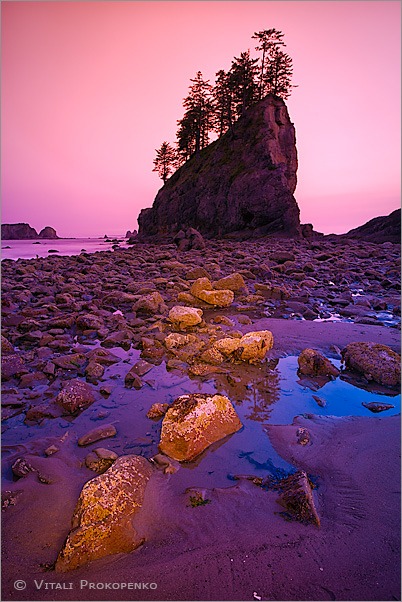
Like in this photo that I took at the Second Beach in Olympic National Park just after sunset, when it was dark enough for a long exposure and dark enough for a flash light (actually 3 flashlights) to make a difference.

Path of Light
Path of Light

Depth of Field Matters

One of the things photographer needs to think about is a depth of field. When photographing grand landscape, I typically set aperture to middle point between widest and most closed to get most sharpness in the image. For a landscape overall sharpness of an image is typically more important than depth of field.

The story is completely different when photographing close-ups. Depth of field becomes extremely important. It can make or break the image. And getting everything sharp is not necessarily a good thing. And I just happened to have two images to demonstrate the difference.

First, an “everything sharp” image. The aperture was closed to the sharpest setting for the lens that I used (f/8). To me the image ended up too flat. There is no separation between the lupine and shed boards, the lupine seems to be carved in the wall.

Lupine by a Shed

The second image, which I like, is with the lens wide opened (f/2.8). The lens is well focused on the lupine. It is tack sharp. The wall is slightly out of focus. This creates a three dimensional feel in the photograph, there is a space between the flower and the wall.

Lupine by a Shed
Lupine by a Shed

Another interesting thing to note is that I experiment with different depth of field, light, composition while photographing. I took 38 photos of this lupine over two days. Later I reviewed and pick just one of them that I felt worked the best.
Fog over Golden Bridge

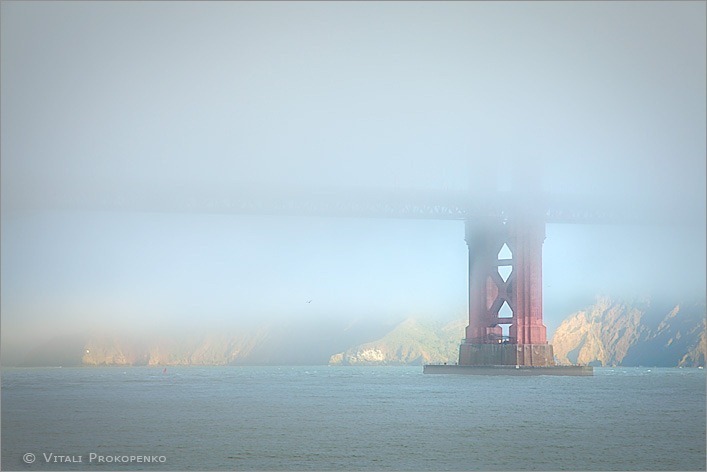
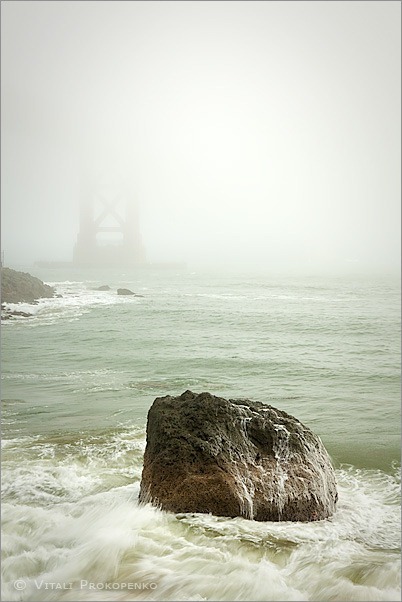
I always wanted to photograph Golden Bridge and Presidio in fog but in many times I had been to San Francisco I had never seen fog over Golden Bridge. Other photographers seemed to get it every time. Not me.

This May on the way back from The Lost Coast we spent a couple of days in San Francisco. One morning Very early before sunrise I went to photograph hoping to get lucky and see that mythical fog. And lucky I was. The was fog. And not just in the morning. It was there whole day. In fact it caused our flight to be delayed in the evening.

The fog was different from the one I used to. I’m used to fog in still windless weather. Golden Bridge fog was combined with strong winds. It was constantly on the move, thickening and lightening, lifting off and dropping back to the ground, letting sun in or blocking it off all together, constantly reshaping landscape.

It presented me with new and constantly changing photo opportunities. I could not get enough of it. I was running from one place to another and then back. The only limit was time.

On an Edge of Rain

We all have some small thing in our lives that we enjoy a lot. One of my things is to be under cover while it is raining. Not inside a house within four walls but almost outside, where I can smell the rain, feel a fresh breeze it is bringing, stretch my arm and feel wetness of rain drops. And yet at the same time feel protected from being completely wet. Like being in an open shed in a forest. Or just being in my garage with garage door opened, standing on an edge of the rain. Moments like that make me feel warm and cozy.

In one of those moments I photographed this iris growing next to my house:

Iris in Rain
Iris in Rain

Sunsets over The Lost Coast

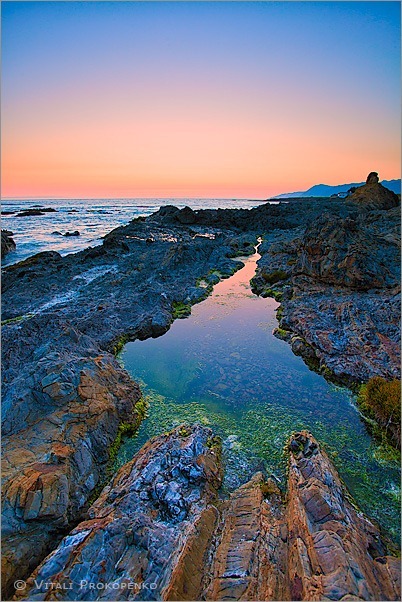
Only the first morning at Shelter Cover had clouds. All the days after that the skies were incredibly clear. The only thing that was left to photograph at dusk was gradients in the sky:

Combining with long exposures of moving water which I love to photograph:

And sun rays:

Misty Morning

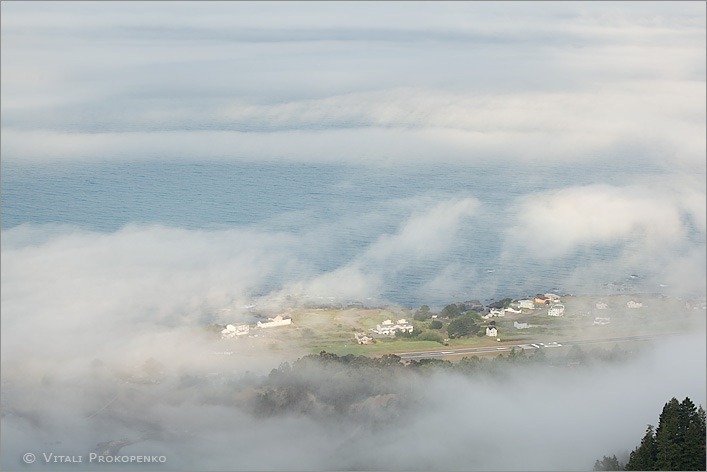
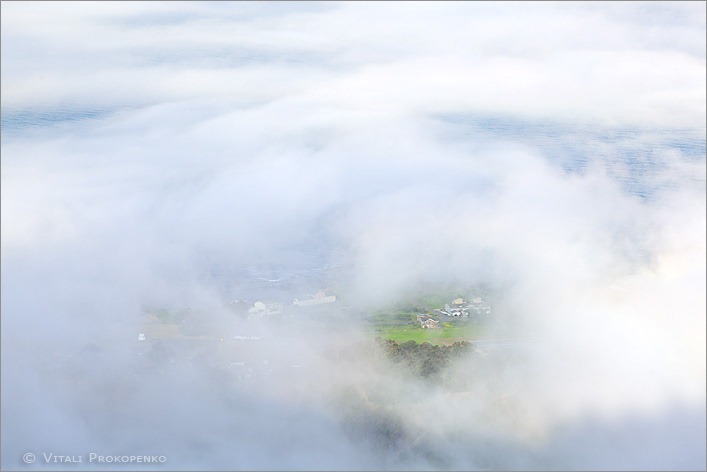
The first morning in Shelter Cove was filled with fog. And it was the kind of morning fog when the air is still and quiet. It was moving, swirling, raising and falling back to Earth breaking into myriad of due drops.

We chased the fog around but it was tough to find a good view point to get a good photos of Shelter Cove in fog. Eventually we found one:

_MG_9923

_MG_9960

After that we dived into the fog and went to Black Beach:

_MG_0213

_MG_0249

_MG_0275

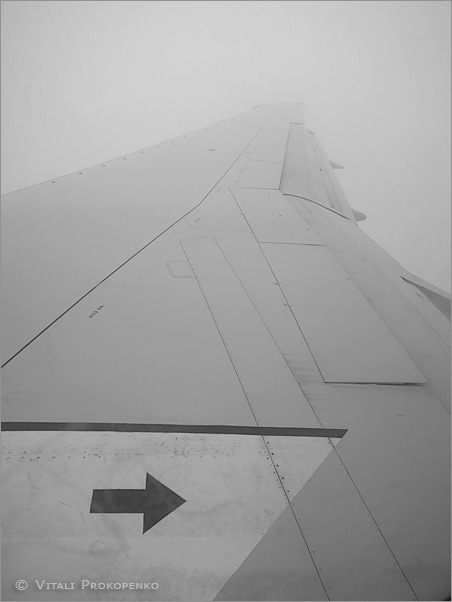
Over the Wing

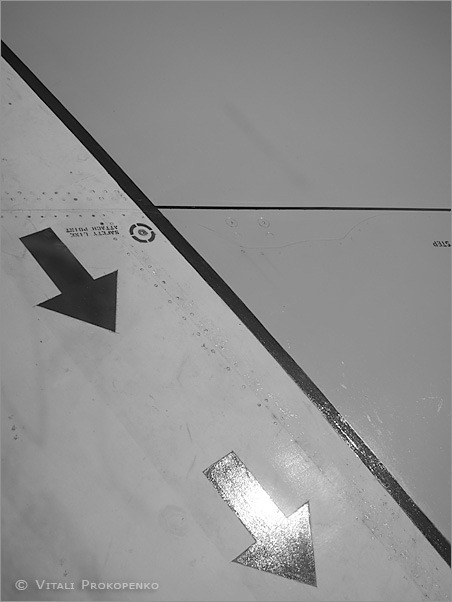
As I wrote a while back Photography Starts on a Plane. My photographic journey to Shelter Cove starts on an airplane too. This time our seats were over an airplane wing, which limited a view out of our cabin window to pretty much the wing only. That did not stop me from photographing. I just focused on lines and graphics of the airplane wing and specular lights created by the Sun.

Flying thru a cloud:

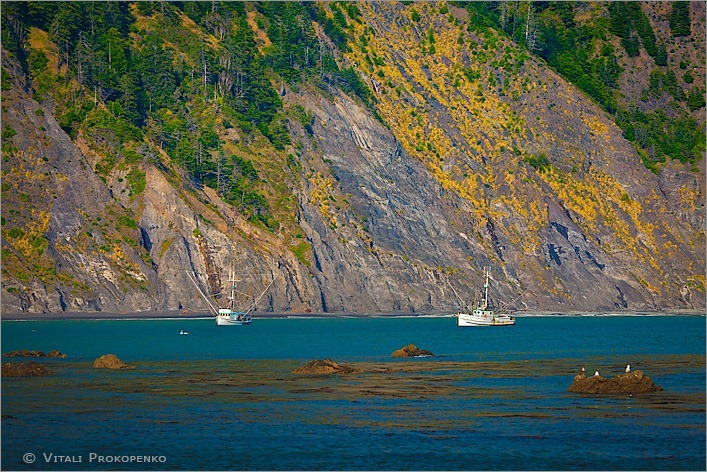
The Lost Coast

Back in May my family and friends took a trip to Shelter Cove. It is a very small town located in the area with an intriguing name The Lost Coast. It is the only section of Pacific US coast that does not have Highway 1 following the coast. Once you get there you’ll understand why. Mountains with steep drop-offs come directly to the ocean. There is a small piece of flatland squeezed in between the mountains and the ocean. And that’s where Shelter Cove is located.

The road there is hard: long, narrow, windy and slow. That kept the place remote and less developed than the rest of the Pacific coast. There was no cell phone coverage, no Internet access, which made it into a nice experience. Suddenly there was so much time for family fun and games once those distractions were removed.

While this was a family vacation there was still a little bit of opportunity for photography. With the next few posts I’ll share the images and experiences I captures during the trip.