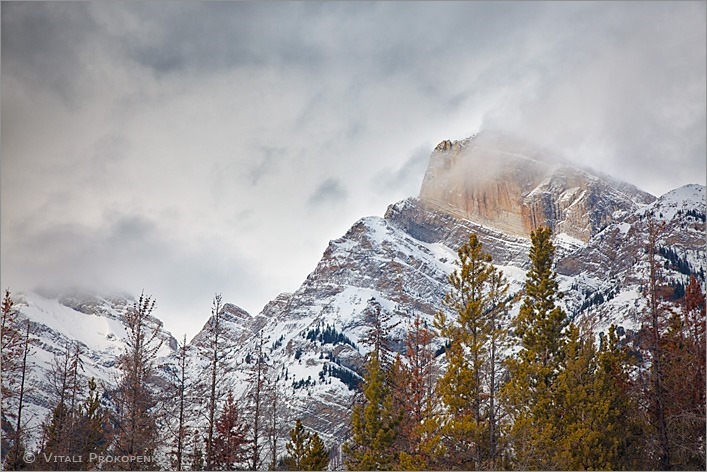
Snow in the Palouse: Steptoe Butte

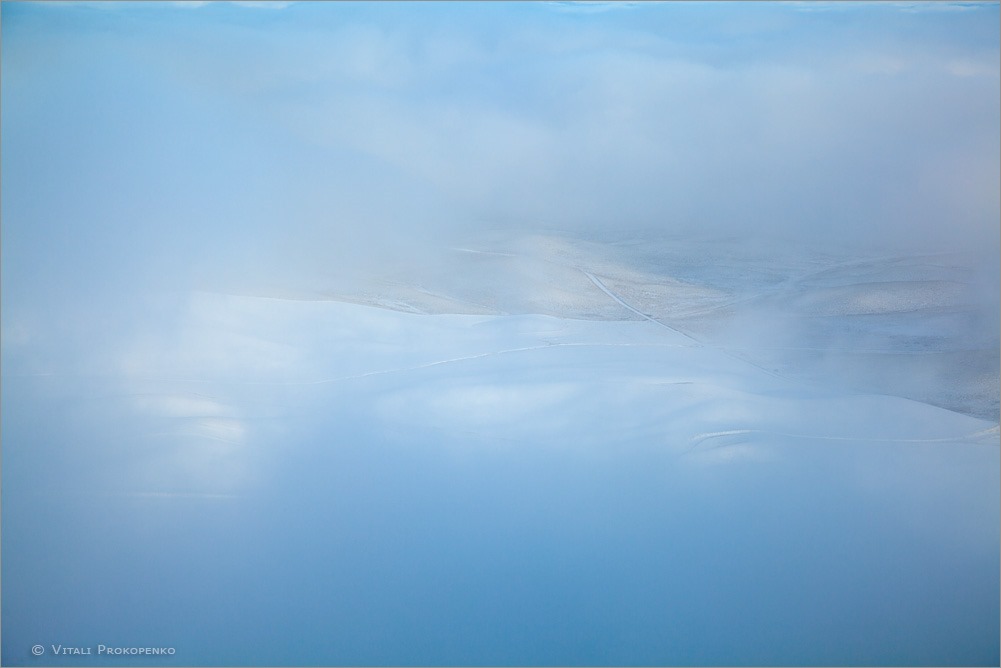
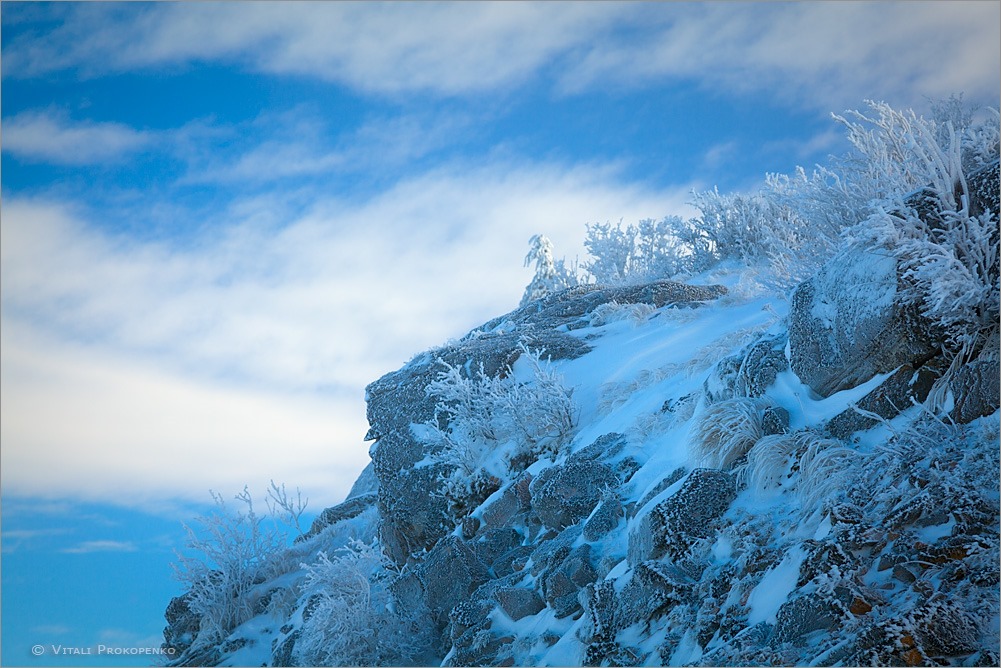
The whole area has frozen. My car was the only one on the roads making a new track in fresh snow. After driving around at the bottom of a fog ocean I drove to the top of Steptoe butte. As I were reaching the top I emerged from fog. The whole landscape opened up to my view: it was an  endless sea of clouds with peaks of mountains like islands seen on horizon.

I was overwhelmed by the beauty of it all. Snow sparkling in the sun. Roads disappearing in the fog. Pristine white fields in small openings of white fog.

It was just too much beauty around my senses were exhausted. I was taking photos seemingly random, on instinct. I need it a rest.

Back from the top I dove my submarine back into the ocean of fog. Bitter cold but happy.

Snow in the Palouse: White Out

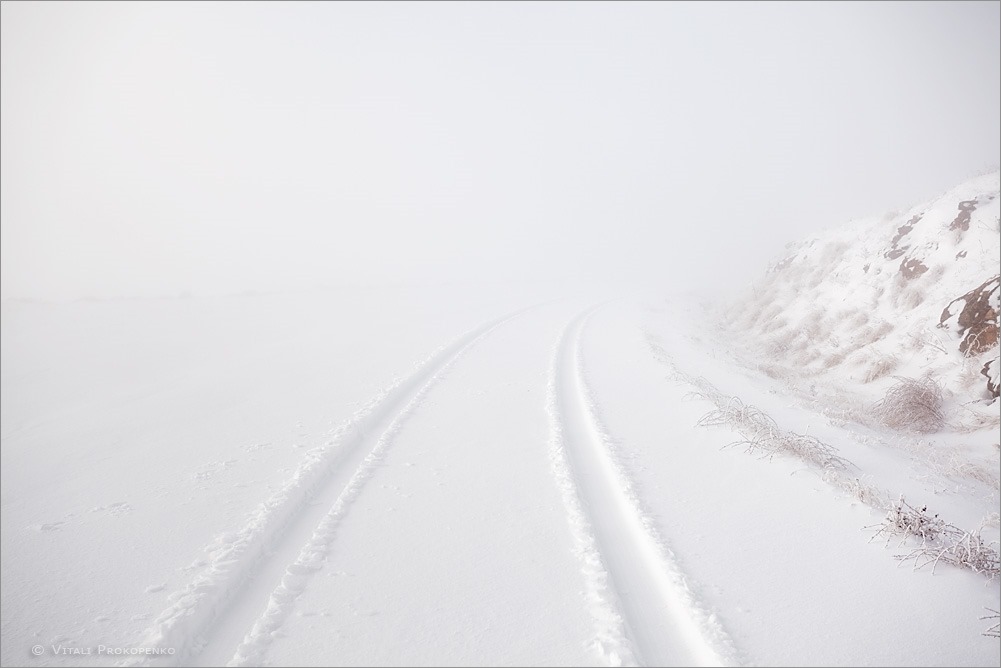
The next morning I woke up early to photograph sunrise. I had a place and scene in mind. Except as always the Nature has its own plans. Everything was still covered in thick fog. it make everything feel more enclosed putting white wall around. Everything was white, fresh and clean: snow on the ground and fog in the air.

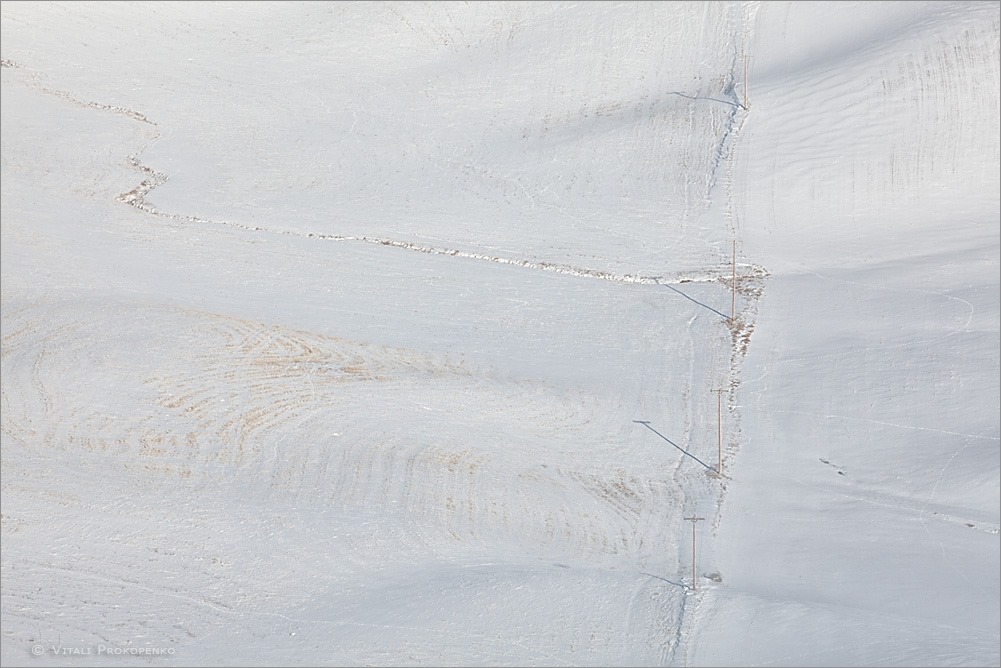
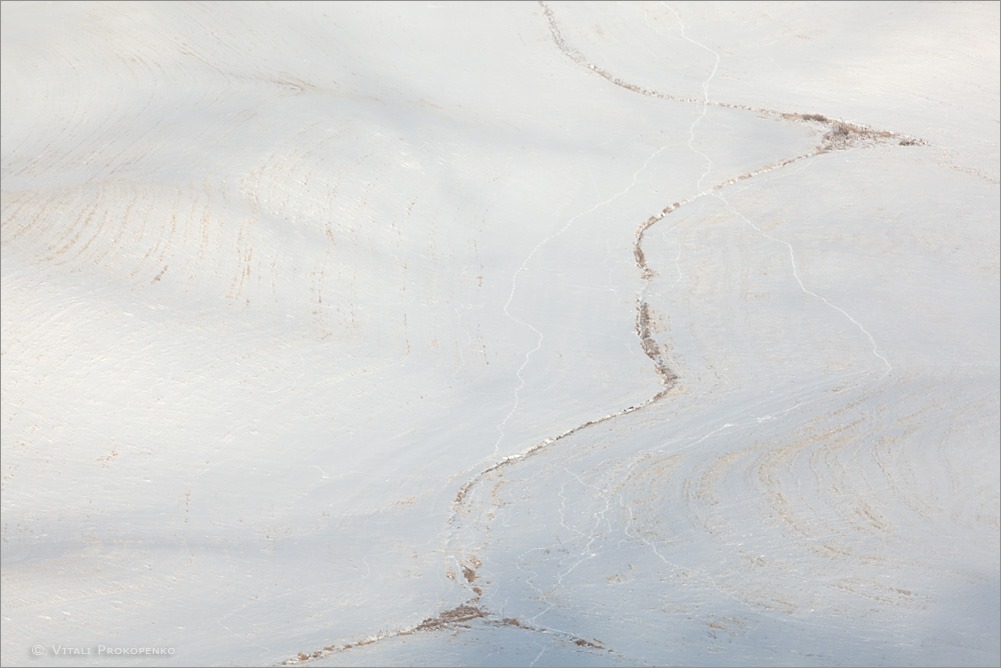
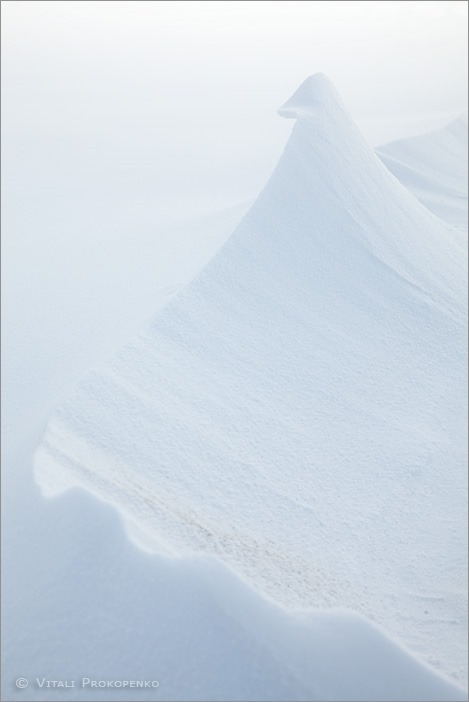
There was no hint of sunrise. The fog was too deep for that. So I started to photograph snow in the Palouse in fog. As I was going thru the day my image became more and more abstract and the theme has become clearer: white out.

The whole area looked frozen and deserted. My car was the only one on the roads making a new track in fresh snow.

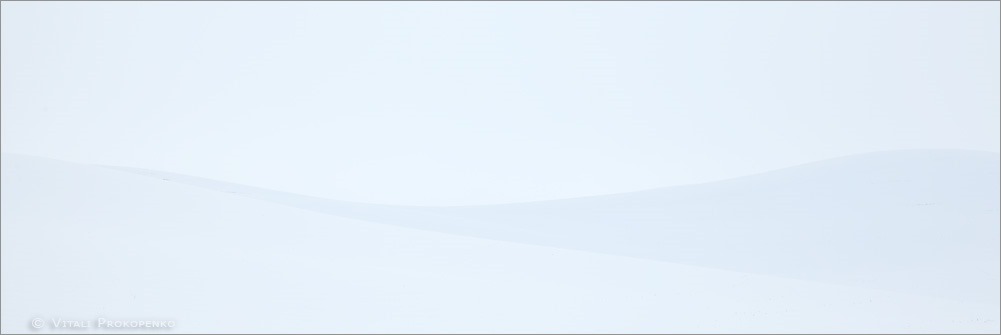
White out – the land is white and the sky is white. There is only thin line where land meets the sky. And nothing disturbs the quiet stillness of it all.

Where land meets the sky

Where land meets the sky

Where land meets the sky

Snow in the Palouse: The Night I Came

Snow in the Palouse, cold, windy… I went there again to see it, to photograph it, to experience it. And I was blown away by the beauty of it again.

***

I arrived there at night on the longest night in the northern hemisphere. Most of the drive was in the dark and most of it was snowless. But the temperature drop was noticeably. As I was driving I was watching outside temperature on my car dashboard. I wanted to know when it drops below freezing to drive slower in case there are ice patches on the road. As I got to the crossing over Columbia river I was watching in awe how temperature was dropping down another degree every 10-20 seconds. It was unbelievable: how temperature could go from +4 to –7C in a span of just a few kilometers.

As I was getting closer to Colfax the snow started showing up. It was getting thicker and thicker. It felt like the Palouse was the only place that had snow, isolated island of snow surrounded by bare land. And it was all in deep fog. It was beautiful. I just had to stop and photograph.

I stopped at the entrance to one of the side roads that was covered with too much snow, not drivable. I went to photograph a small farm by the road. I stayed close to the main road as snow was too deep to wonder off. I was taking picture after picture with long exposure. A snow plow truck passed by cleaning snow from the road. Smashing me with the powerful spray of wet snow and dirt. I was not angry, I was strangely calm, nothing could disturb me soaking up the beauty around me. And after all I saw his tracks – he tried to drive the truck farther away from me but splashing me was unavoidable.

I spent several more hours just driving around looking at all of it, enjoying all of it. Finally, past midnight I stopped, climbed into the back of my car and fell asleep, tired and happy.

_MG_4774

_MG_4782

_MG_4783

ETTR or Try it before you buy it

There has been a lot of discussion of ETTR (Expose To The Right) on photographic blogs, websites and all kind of other publications. With this method you expose as high as possible with histogram touching the right edge. Here is one article that goes in depth on this method: http://www.luminous-landscape.com/tutorials/expose-right.shtml.

The idea is that this produces maximum quality digital negative. Often this produces image that looks overexposed and later in post-production supposedly you can lower exposure to get naturally looking image but with higher quality.

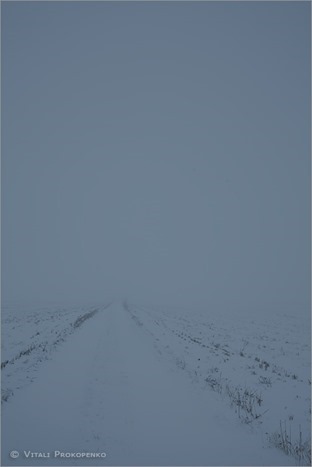
While it looks reasonable that this may reduce signal-to-noise ratio, I noticed that this results in images looking too flat and with washed out colors. On my last trip I took two images one normally exposed and one exposed to the right. The scene is extremely simple which helps illustrate the difference in result. In post-production I reduced exposure of the ETTR image to match exposure of the first image. No other adjustments were done to either image. Here are results side-by-side:

_MG_4863 _MG_4864

Guess which one is which? The one on the left is taken with normal exposure, the one on the right is taken with ETTR and then reduced back exposure to match exposure of the first image. As you can see ETTR image results in less color and less contrast, i.e. lower dynamic range. To confirm this here are the corresponding histograms:


_mg_4863 _mg_4864

Just by looking at histograms you can see that the range of tonality is greater in normally exposed image as well as greater separation of colors. This seems to disprove the statement that the article I linked at the beginning does that ETTR image has greater dynamic range.

I don’t know about you by I’d rather expose right than expose to the right. This is just another case to demonstrate my main principle in photography: do what you like, what feels right to you. And no matter how convincing a new idea you read somewhere sounds, try it before using it, get your own feeling for it. If you really like it, use it, just make sure it is because you got your own understanding of it not because someone else told you to do it.

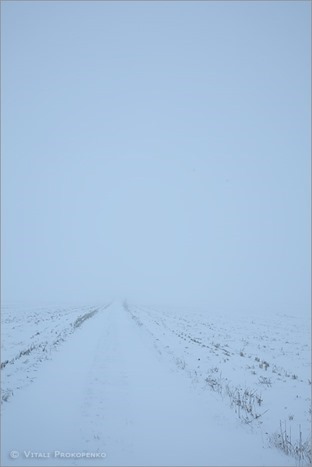
UPDATE: I’ve got requests to include original ETTR image with histogram. Here it goes.
_MG_4864

Capture

Unexpected Happens

Photographing the same place again and again is like visiting an old friend.

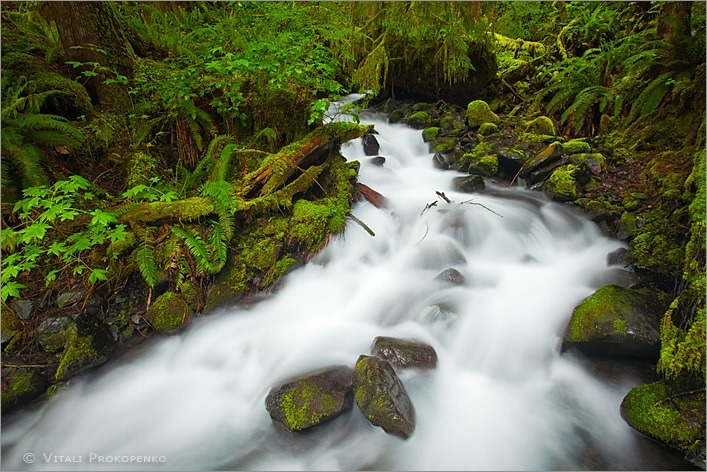
A couple of weekends ago I went to Olympic Coast for 3 day photographic trip. I decided to start this year with visiting my old friend: Second Beach. By far it is my favorite beach for photography. There are so many different opportunities there.

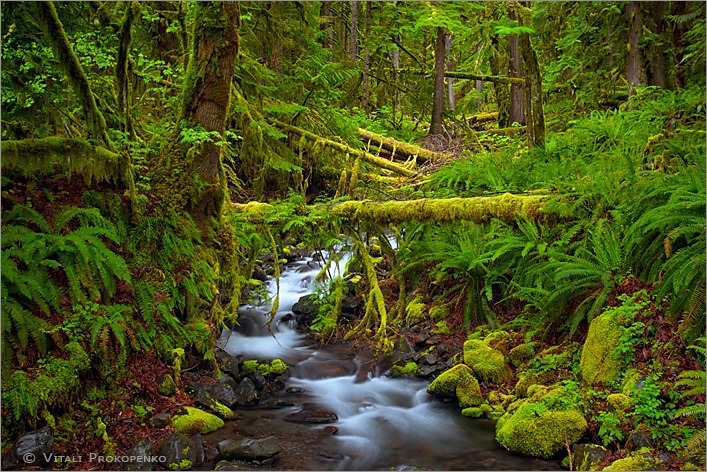
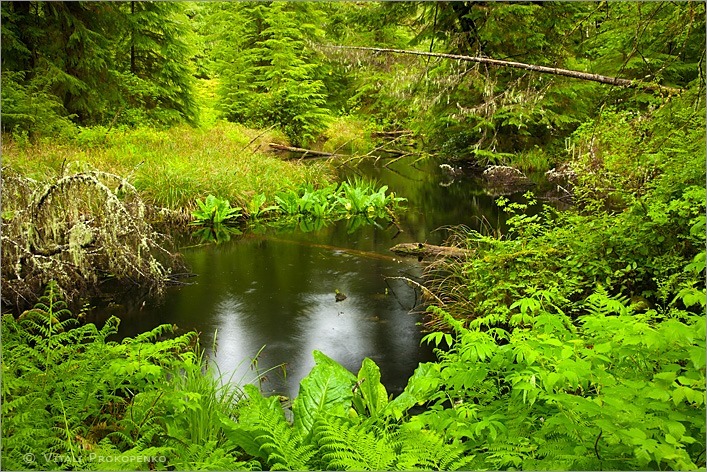
While driving there I noticed something else that caught my eye: an amazingly saturated greenery of fresh spring leaves. It was amazing. The result was that I spent most of the day time during those three days in a forest.
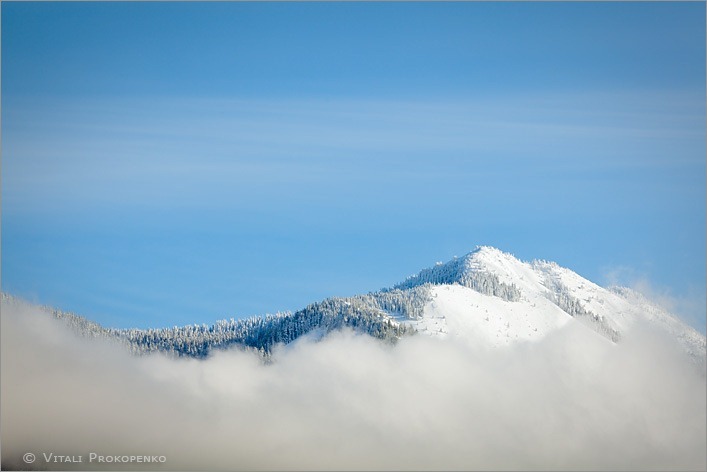
Now let me welcome you to Olympic Peninsular forest in spring.

Up on a Hill

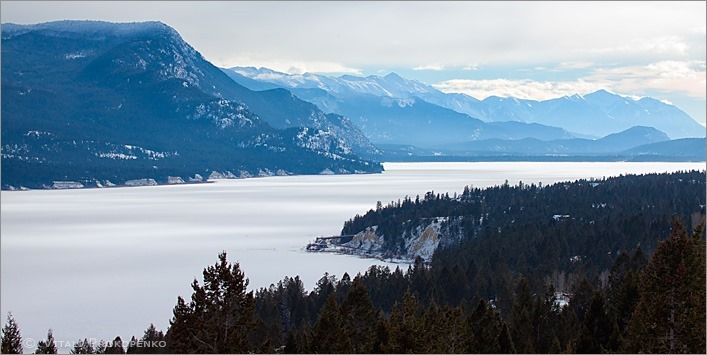
Sometimes you need to get up on a hill to see a view. Just like I did when we drove thru Canada.

We drove thru places of snow and ice that were picturesque enough. But then I saw a hill with a parking lot next to it. I stopped and climbed the hill. The view that opened up to me was breathtaking.

The vast flats of frozen river covered with snow, the soft spots of sun light breaking thru clouds, the blue hazy mountains in the distance and a cloudy sky above it all. The view was worth photographing, the awe was worth sharing. I called up the other guys and we spent some time photographing.

_MG_8395

Rear-View Mirror

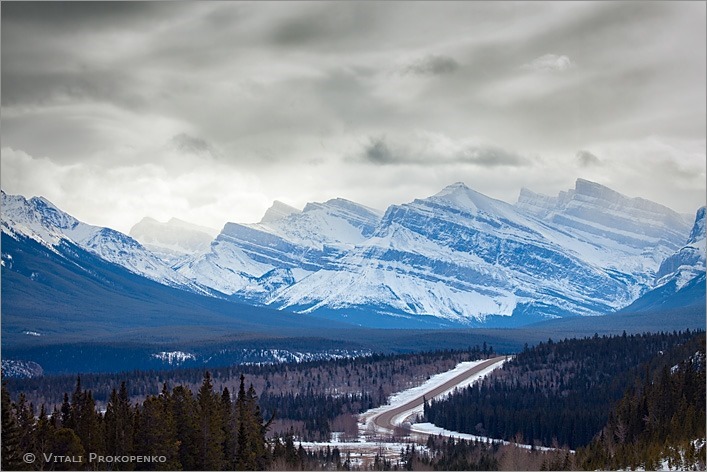
One of the useful photographic tools: rear-view mirror. I often see a landscape there that makes me stop, jump out of the car and take a picture. Here is one of those photos from the last trip to Canadian Rockies. You can even see tire track from my car as I pulled to the side of the road.

What’s also interesting is that this light was gone in a few seconds. So, catch your moments!

_MG_8658

Only Mountains

There is a saying in Russian culture: only mountains can be better than mountains. So, in this post I’m presenting of photos of mountains and only mountains from my recent trip to Canadian Rockies.

_MG_8391

_MG_8585

_MG_8616

_MG_9172

_MG_9250

_MG_9377

_MG_9428

No Hibernation!

A while back I wrote that I tend to fall in kind of artistic hibernation in winter. It is hard to push yourself out of warm cozy home into bitterly cold of winter wind.

This year I did it! I pushed myself out. I started going into the mountains and taking photos. I bought enough clothe to keep myself relatively warm even in wind at temperatures well below freezing.

So, this year I can show a few winter photos starting with a few simple ones.

Keep on Moving

Last weekend I made a short two day trip to the Palouse – an area in Eastern Washington famous for its rolling hills covered with patches of fields. It is very beautiful and photogenic place. Some call it American Toscana.

My first day of the trip in the Palouse was dreadful. Grey solid sky, no light, little color. Just as if it could not get any more discouraging, suddenly the rain started. It was pouring down heavily. Most people would stay home in that weather. Not me. I went on scouting around.

The rain stopped just as suddenly as it started. Heavy clouds and soft light were majestic.

I even caught a glimpse of warm pink glow in the sky from a light of the Sun settling for the night.

Just one small piece of advice: don’t drive dirt roads there when it is wet. The dirt is a fine grain clay that becomes extremely slippery when wet. You’ll lose any control over your car. I am talking about it from experience.