Snow in the Palouse: The Night I Came

Snow in the Palouse, cold, windy… I went there again to see it, to photograph it, to experience it. And I was blown away by the beauty of it again.

***

I arrived there at night on the longest night in the northern hemisphere. Most of the drive was in the dark and most of it was snowless. But the temperature drop was noticeably. As I was driving I was watching outside temperature on my car dashboard. I wanted to know when it drops below freezing to drive slower in case there are ice patches on the road. As I got to the crossing over Columbia river I was watching in awe how temperature was dropping down another degree every 10-20 seconds. It was unbelievable: how temperature could go from +4 to –7C in a span of just a few kilometers.

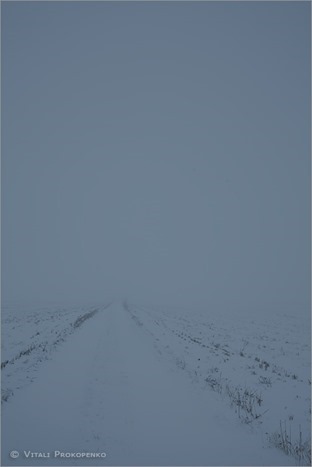
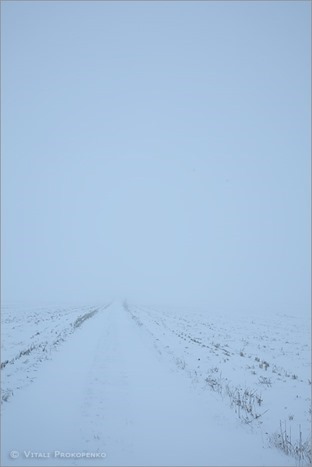
As I was getting closer to Colfax the snow started showing up. It was getting thicker and thicker. It felt like the Palouse was the only place that had snow, isolated island of snow surrounded by bare land. And it was all in deep fog. It was beautiful. I just had to stop and photograph.

I stopped at the entrance to one of the side roads that was covered with too much snow, not drivable. I went to photograph a small farm by the road. I stayed close to the main road as snow was too deep to wonder off. I was taking picture after picture with long exposure. A snow plow truck passed by cleaning snow from the road. Smashing me with the powerful spray of wet snow and dirt. I was not angry, I was strangely calm, nothing could disturb me soaking up the beauty around me. And after all I saw his tracks – he tried to drive the truck farther away from me but splashing me was unavoidable.

I spent several more hours just driving around looking at all of it, enjoying all of it. Finally, past midnight I stopped, climbed into the back of my car and fell asleep, tired and happy.

_MG_4774

_MG_4782

_MG_4783

ETTR or Try it before you buy it

There has been a lot of discussion of ETTR (Expose To The Right) on photographic blogs, websites and all kind of other publications. With this method you expose as high as possible with histogram touching the right edge. Here is one article that goes in depth on this method: http://www.luminous-landscape.com/tutorials/expose-right.shtml.

The idea is that this produces maximum quality digital negative. Often this produces image that looks overexposed and later in post-production supposedly you can lower exposure to get naturally looking image but with higher quality.

While it looks reasonable that this may reduce signal-to-noise ratio, I noticed that this results in images looking too flat and with washed out colors. On my last trip I took two images one normally exposed and one exposed to the right. The scene is extremely simple which helps illustrate the difference in result. In post-production I reduced exposure of the ETTR image to match exposure of the first image. No other adjustments were done to either image. Here are results side-by-side:

_MG_4863 _MG_4864

Guess which one is which? The one on the left is taken with normal exposure, the one on the right is taken with ETTR and then reduced back exposure to match exposure of the first image. As you can see ETTR image results in less color and less contrast, i.e. lower dynamic range. To confirm this here are the corresponding histograms:

_mg_4863 _mg_4864

Just by looking at histograms you can see that the range of tonality is greater in normally exposed image as well as greater separation of colors. This seems to disprove the statement that the article I linked at the beginning does that ETTR image has greater dynamic range.

I don’t know about you by I’d rather expose right than expose to the right. This is just another case to demonstrate my main principle in photography: do what you like, what feels right to you. And no matter how convincing a new idea you read somewhere sounds, try it before using it, get your own feeling for it. If you really like it, use it, just make sure it is because you got your own understanding of it not because someone else told you to do it.

UPDATE: I’ve got requests to include original ETTR image with histogram. Here it goes.

_MG_4864

Capture

On a Foggy Night

For a week the area where I live had fog. Every day. Every night. Whole day. Whole night. It was beautiful, smooth, thick, milky white fog. I love fog. It adds mystery and depth to everything.

Unfortunately, I was busy whole week and could not get out to photograph. But one night I just dropped everything I did, picked up my camera and went out on a walk around the neighborhood. While I may have not done any greatest hits, I still enjoyed reconnecting with what I love using even smallest moments I can carve out of sometimes busy days.

Here is in some sense a good representation of my suburban neighborhood and probably many other neighborhoods across US: proudly displaying their flag on their home, keeping cars outside despite having garage because the garage is filled with things that they still cherish, things that they find it hard to part but which they will unlikely to ever use again.

IMG_2736

Fall Color Along Hwy2

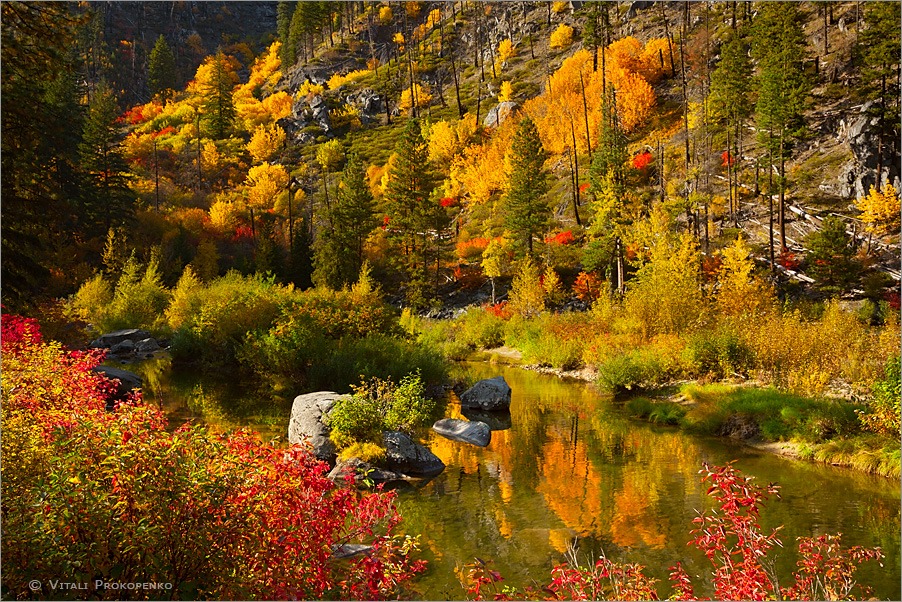
Good images like good wine need time to age. This images have been parked parked on my hard drive for two months. I’ve been coming back to them slowly processing and reprocessing them. They were taken along highway 2 in Washington state near small town Leavenworth.

The fall foliage is beautiful there. This is probably the most beautiful and most popular place in Washington for fall foliage.

Strolling thru Kubota Garden

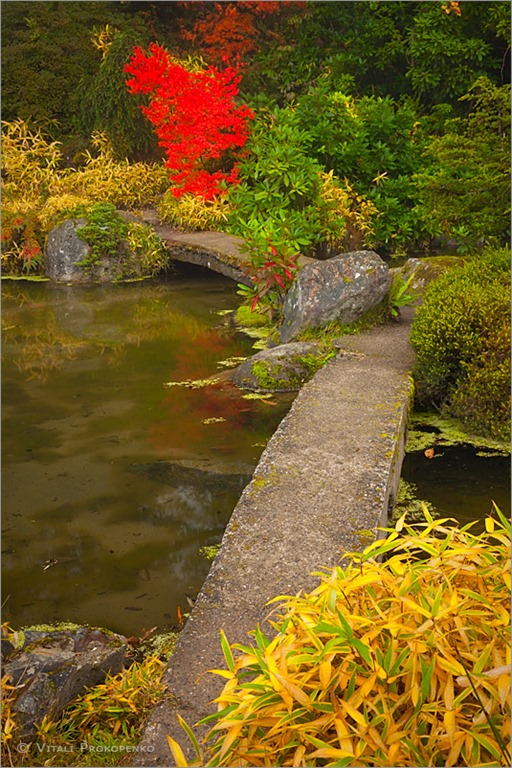
Sometimes plans don’t work out and I’m glad they don’t. One weekend another photographer and I were planning to hike up a mountain trail to photograph a lake in snow. When time came my buddy bailed out and I did not want to risk hiking in snow after dark alone. Instead I went to Kubota Gardens in Seattle and spent a day there.

Typically, when for places like parks or gardens close to home I try to find time during week or go with family during weekend for one or two hours to do photography. This was the first time I spend whole day in one relatively small garden. And it felt really good – photograph without rushing, lying under a tree, taking time, observing.

I’ve fell in love with this garden.


Early Morning Mist


Let Me Offer My Hand


Passage


Bush on Fire


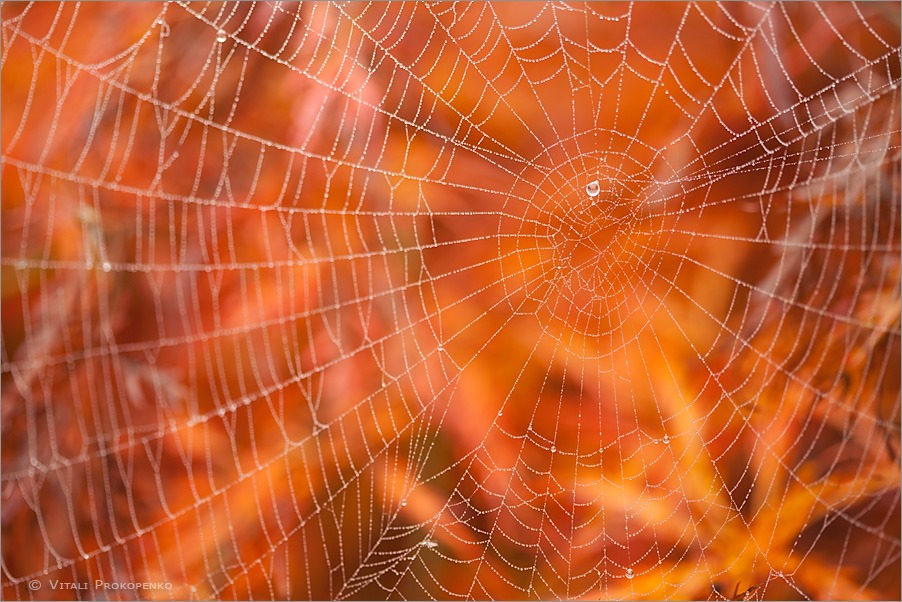
Due Drops Caught in a Web


Simple Yellow on Red


Lying on the Ground Looking Into Sunny Sky


Explosion


Butterfly


Light

Make Photo

Rick Sammon likes to say “Don’t just take photos, make photos”. It is a great advice. And the photo in this post is a great example of that.

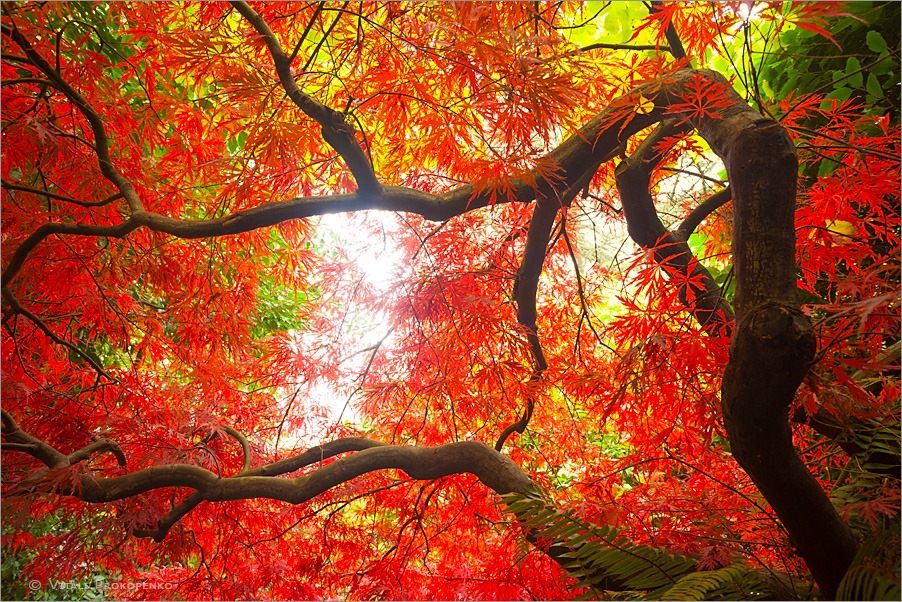
I had photographed this tree a few days before and came back to Kubota Gardens that day with a single goal to make more interesting picture of this tree. I got “inside” the tree. It was cozy and warm inside under the canopy of red and yellow leaves. I started with the same kind of photos at before. They were typical photos of branches with fall leaves.

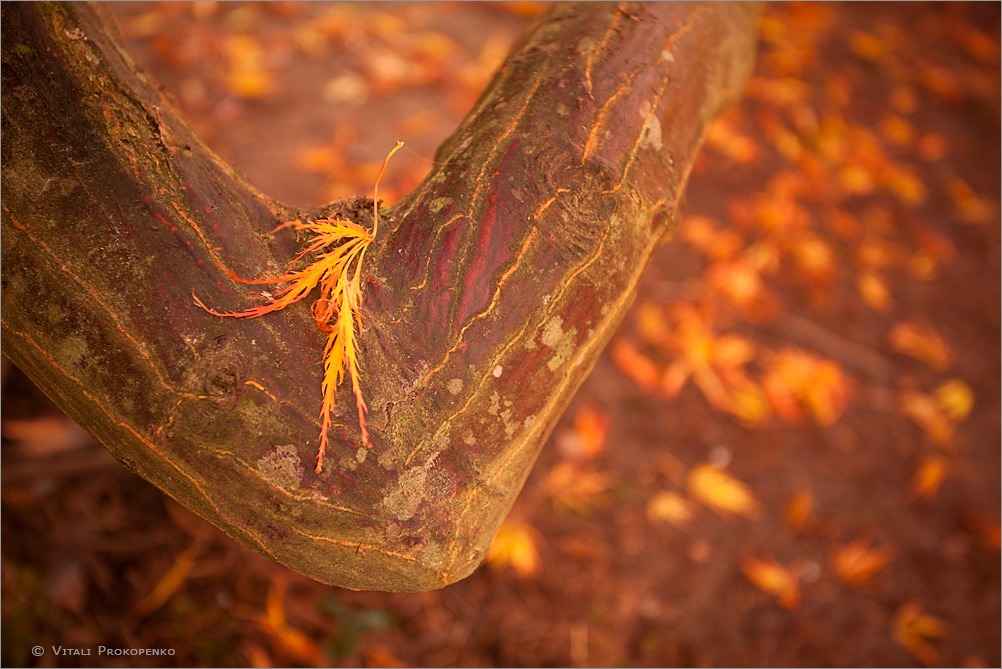
Then I noticed a single leaf caught in the middle of a tree where many branches were coming out from the main trunk. Now, that was interesting. I took a few photos.

The single leaf did not really stand out it was blending in with the branches. There was a simple solution to that. I grabbed a bunch of leaves that were already on the ground and dropped on top of the single leaf. Now they had a party.

I took a few images again. It was nice but it was plain. The image of something mystical started brewing in my head. What if I make an image of a Heart of Autumn. The heart of autumn would be glowing. And a flash light could help with that.

Fortunately, I had a powerful spot light in my car (well, I always have several flashlight in my car). I overcame my laziness and packed my gear, went back to the car, grabbed the spotlight and went back to the tree.

Now I was shooting with a spot light. It took a few iterations to get light spot right in the middle of the pile of leaves. I still did not feel like I got it. The leaves in the background were as bright as those I was lighting up. it did not feel like leaves at the heart of the tree were glowing. The solution was to make reduce overall exposure of the image, while get more light on the leaves that I wanted to glow.

The end result:

Heart of Autumn
Heart of Autumn

A Dream About Water

I’ve wrote about light painting before and I’ll likely write more again as this really fascinates me in photography. For me it is a lot of fun playing with lights, a lot of creativity as I create something that was not there in the first place, and a lot of surprise as most of the time what I get is unexpected.

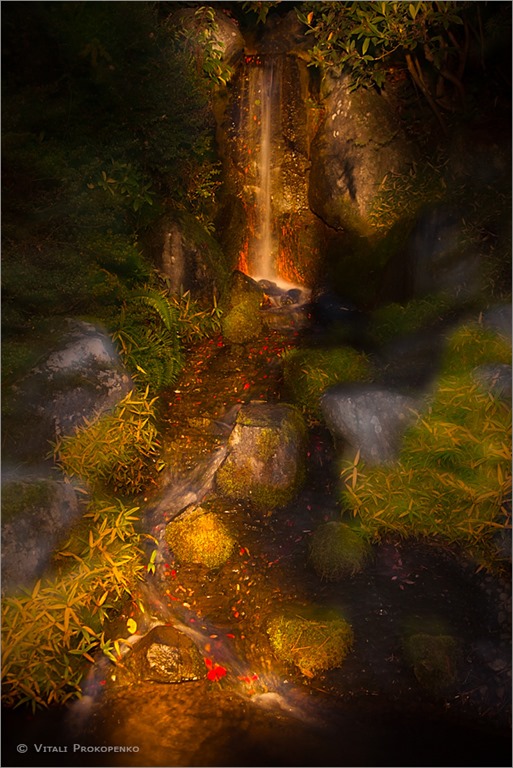
Here is an image that got me very excited about light painting again. I spent a day photographing fall foliage in Kubota Gardens in Seattle (I’m still working on post-processing those photos). At dusk as it got dark enough for exposures to go up to 30 seconds I started playing with light painting with two waterfalls I found in the gardens.

I found the upper waterfall to be more interesting of the two because it had red leaves caught in the stream and I could get a more dynamic image with foreground and background.

There were two new things I played with this time. First, I brought two different flashlights: one had cool light and the other one had warm light. So, I could do not only light painting but also color painting. The other thing that I played with was focus, shifting focus in the middle of light painting. This created dreamy effect.

For those interested in more technical details here is how I took this image. The camera was on a tripod, aperture wide open (f/4 for the lens that I used), shutter was 30 seconds. It was pretty dark already, my camera was not able to focus just using ambient light. First I would use very powerful warm flashlight. I would point to a rock in the middle of the frame and focused the camera using auto focus. I would turn off auto focus then. Turn off the flashlight, so it does not light up something accidentally, and release shutter. Then quickly with the same powerful warm light I would trace the waterfall and the creek back and forth a few times to ensure that individual spots or streaks of light a now visible. That was taking me about 5 seconds. Then I would turn off flashlight and defocus the lens. The rest of 25 seconds I was using weak cool flashlight to light up sides of the frame while the camera was out of focus. I did this ten times or more, every time getting a different image – I love the element of surprise. This I think is the best out of the series.

A Dream About Water
A Dream About Water

Pastel Colors of Fall

Finally, the colors of fall foliage is behind us. It is my favorite time of year. For photographers October is like August for farmers – time to collect the harvest. The reason I’m saying “finally” is because I felt burnt out pushing myself too much trying to capture it a s much as possible. For some time I tried to keep up with post-processing but then gave up – I was not getting enough sleep that way. And that was combined with two more art shows that I needed to get ready for.

Now, when fall foliage is almost gone in Pacific Northwest and my last art show of this year is behind me, I can catch up on post-processing, blogging, planning.

***

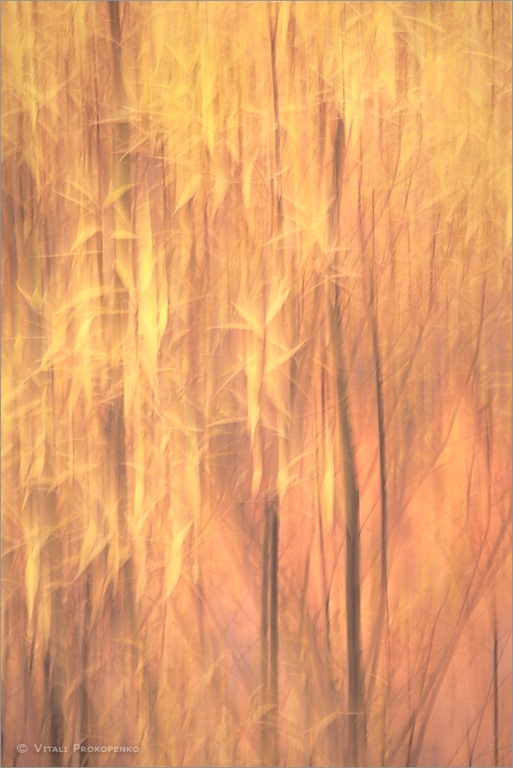
For a few months I’ve been fascinated with pastel colors. I like their subdued soft feel. So, this fall I’ve done several images with intent of having pastel colors.

An important thing about photographing color is to be clear that the subject of a photo is color, not individual branches, leaves or trees. To me it means getting rid of all those details in an image.

One technique to do that is to take photos with long exposure handheld and intentionally move camera in some direction. It seems to work the best when moving camera along visually strong lines such as tree trunks or branches.

On Fire
On Fire

Fall Butterflies
Fall Butterflies

Fall Forest
Fall Forest

Happy Halloween

I took this photo in the Palouse back in August this year but was holding it back to use it to wish everyone a happy Halloween. Enjoy this image of an abandoned house on one very stormy summer night. It looks very much like a haunted house.

_MG_5089

Breaking Patterns

Do you know what fascinates me in my visual world? Patterns. Here is an image I made last weekend, when I was passing by a small island of young aspen trees:

_MG_1913

Do you know what fascinates me even more? Breaking patterns. Just seconds after I made the image above I noticed another island of young aspen trees with one tree bent and still having leaves breaking the pattern of bare trunks:

_MG_1928