Sunny

If you ask anyone “what’s your favorite whether” most people will likely respond sunny clear sky. It is indeed a pleasant weather. It cheers us up and lifts our moods. I bet you’ll see more happy faces on a sunny day than on a gloomy overcast day.

It is indeed most enjoyable weather for most activity. With a small exception of landscape photography. Clear sky is empty and boring in landscape photographs. How many landscape photographs have you seen that struck you with its beauty of clear sky? Not many, if any. The only image that comes to my mind is by Freeman Patterson with a wall by the right edge of an image, fence by the bottom edge and a person’s head in the right bottom corner, the rest of the image is blue clear sky. And it is not even a landscape.

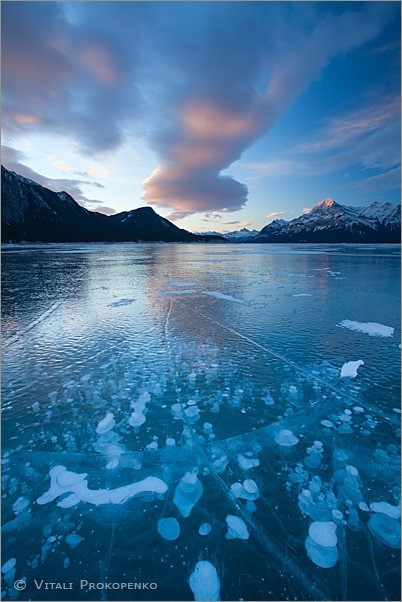
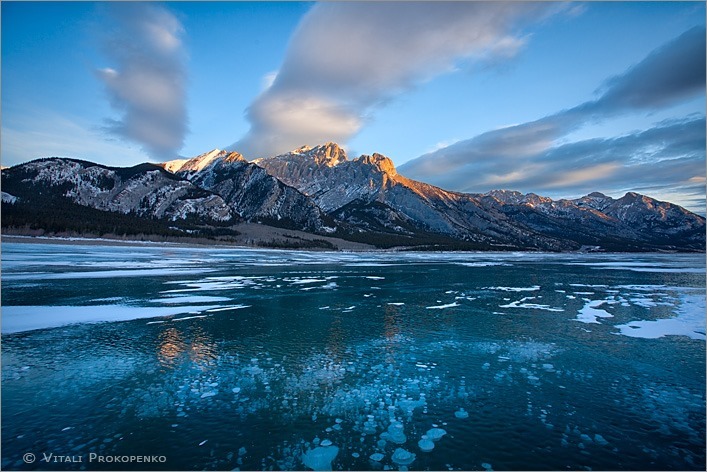
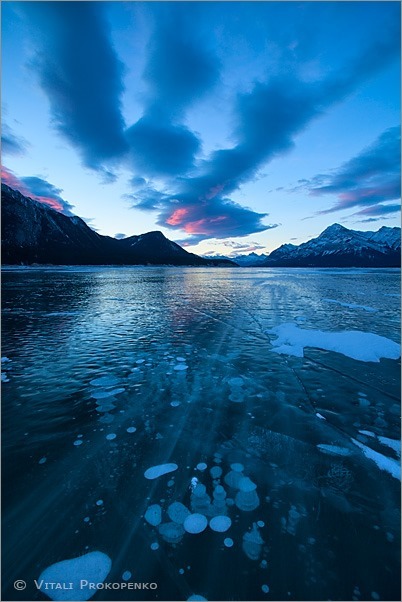
So, when a photographer is met with such weather what is left to do? Right, turn to close-ups or abstracts or both. Such was the case on my trip to Alberta. On the third day by Abraham Lake I was greeted with sunny clear sky. It was warm too. Very pleasant weather for a little stroll somewhere in a park. I’ve enjoyed it and tried to make some images. But to my dismay nothing was working out. The air was so crisp and clear that even during sunrise there were now color in the sky. The sky was simply getting brighter and brighter.

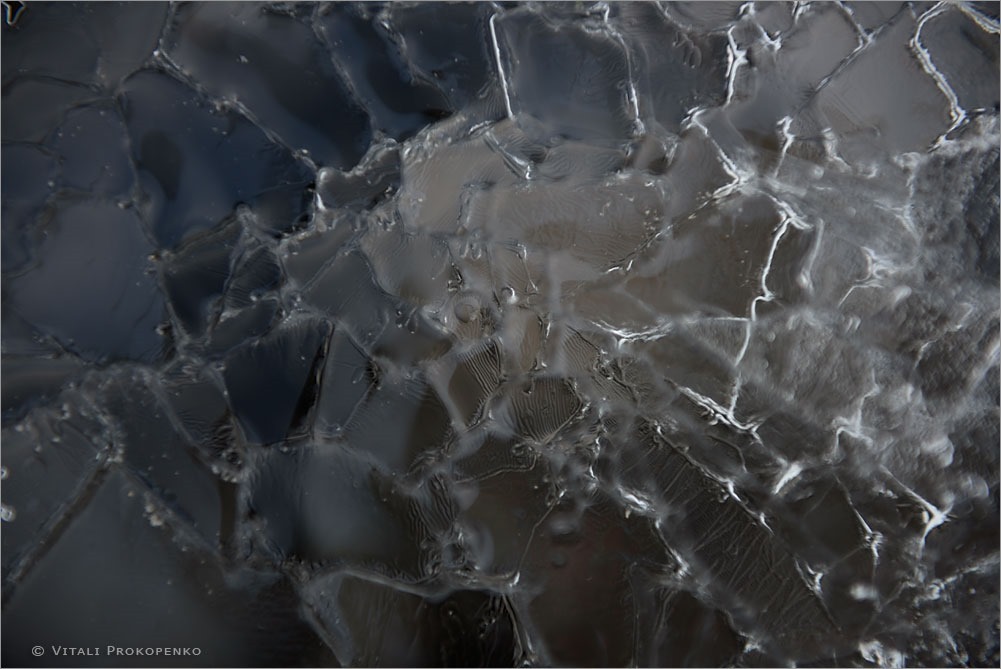
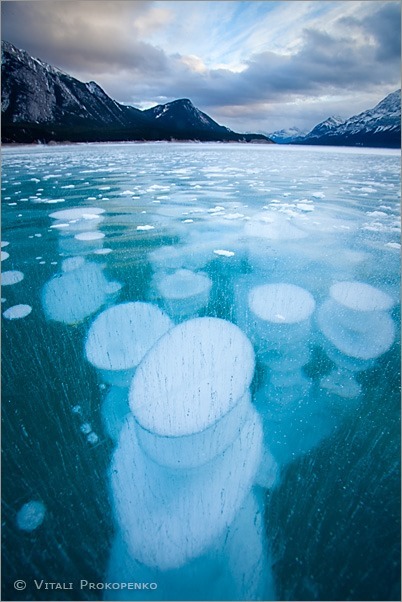
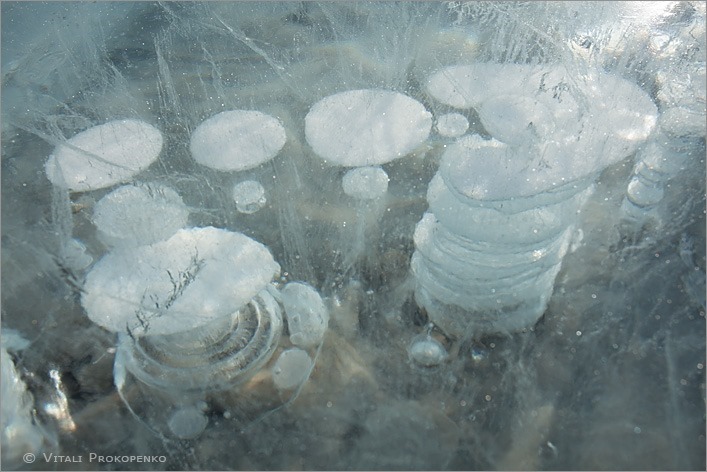
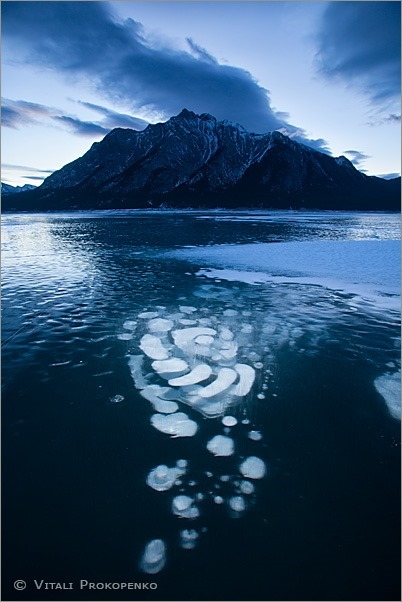
Eventually, I had to accept that it was not a great day for landscape and started paying more attention to the things under my feet, which was mostly ice. And what a fascinated subject it turned out to be. There were so many different textures and shapes. Here look for yourself.

Being Spontaneous

The main destination of my recent trip to Alberta, Canada was Abraham Lake. The reason Abraham Lake is so attractive to photographer in winter is because of unique phenomenon of frozen bubbles. While the lake freezes up in winter plants at the bottom of the lake produce methane gasses that come up to the ice and stay there frozen in ice while ice keeps growing downward. This creates fantastic surreal tri-dimensional structures in the ice sheet that covers the lake. There is also a persistent strong wind running thru the valley where the lake is located keeping ice clean of any snow. And the last but not least feature of this lake is winter is that it is artificial lake as the water is slowly drained from the lake in winter the ice cracks under its own weight.

It was quite scary standing on the ice when it cracks. The sounds of it ranged from a pitch high as if a guitar string was torn to a loud boom. The ice was very clean making me feel sometimes as if I was standing on water. And while consciously I understood there is thick ice under me, the sound of cracking ice made my subconscious scream RUN. So far subconscious was on a losing side.

The end of January when I went there turned out unusually warm there with temperatures rising up to 15C making ice melt at the top and thin ice walls separating layers of bubbles were melting away the fastest. On the second day of being at Abraham Lake I witnessed one of the photographers falling thru the ice while standing one one of the spots with high concentration of frozen bubbles. Fortunately, he did not fall of the way thru and was able to get out before anyone of the people rushing to help him (including me) were able to get to him. The whole incident seemed to be forgotten rather quickly. Even the photographer who fell actually staying on the ice and continuing to take pictures even in partially wet clothes.

But it scared me enough that I decided not to go on ice anymore. So, I set off to explore areas around Abraham Lake and find some other interesting spots to photograph. It proven a hard task. The warm temperatures melted most of the snow leaving the ground bare and unappealing to me. Yet I was stopping my car at any parking spot or trailhead, walking out and looking for opportunities. One of such spots was near river bed. It had been probably quite wild river in spring and summer. In winter it was lots of crumbled ice sheets lying on the ground. I thought I might be able to find a line in the ice cracks that would lead to the mountains in the distance.

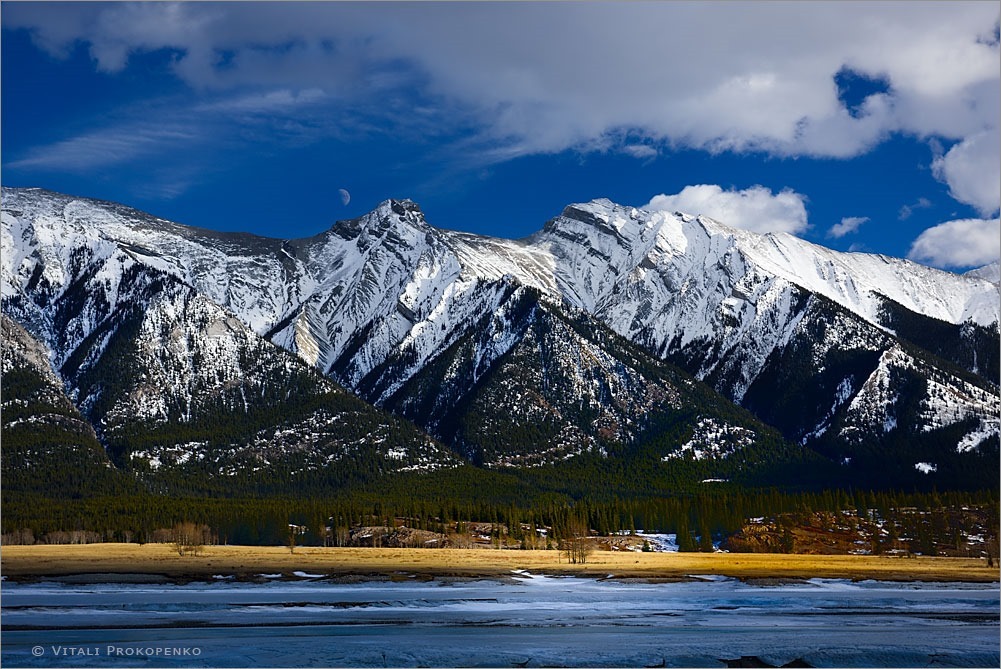
While searching for that composition I saw a moon rising above the mountains. On a whim took a picture of it. I took only one picture. It was unusual for me. Typically, I work thru composition taking lots of images until I feel like I cannot get it any better. This time I just felt the image was ok not no more than that. Only when I was editing images from the trip at home I saw that image and thought it was beautiful. There are so many elements that work together and yet there is simplicity in it which attracts me.

Moonrise over Canadian Rockies

Moonrise over Canadian Rockies

Never Give Up

I’ve just got back from a week long trip to Alberta, Canada. The trip was tiresome as it involved more driving that I wished for due to road closures.

My main destination was Abraham Lake. I was coming from Banff and was going to take Icefields Parkway to get to Abraham Lake. Unfortunately, when I got to Icefields Parkway I discovered that it was closed till at least noon of the next day due to unsafe driving conditions. The only way left to get to Abraham Lake was all the way around thru Calgary and thru the north route. That meant extra 5 hours of driving. It also meant I would unlikely make it there by sunset of that same day.

I had little choice but to drive that long way around. I got to a small ghost town called Nordegg where I had a hotel reservation just before sunset. I had a choice before me: to stay and relax for the night or to go to Abraham Lake (another half an hour driving). The sky was overcast with no breaks in the clouds.

I went to the lake anyway. I thought I at least check out ice conditions for the sunrise the next day.

I got to the Abraham Lake just after sunset. The sunset was purely theoretical as the sun was not visible thru the clouds. The wind was strong albeit warm. As I open a door a gust of wind almost knocked me over. The ice was covered with melted water. Everything seemed to tell me to get back to the hotel and be done for the day.

Nevertheless I put on spikes on my shoes, took my backpack with photo gear and tripod and went down to the ice. I always take photo gear with me, it has become part of me. Even if there was nothing happening I could take a few test shots to figure out what’s best lens, settings, filters to use and get sketches for ideas I might implement later.

I’m quite cautious person when it comes to water. I almost drowned when I was a teenager. The memory of that still makes me afraid of water. So, I carefully stepped on ice and was staying by the shore to gain some confidence. But then the last rays of the Sun broke thru somewhere beyond horizon and lit up the clouds from below. That was the kind of things I dream about as a photographer. The light was surreal violet. I forgot about my fears of water and ran in a search of bubbles frozen in ice to complete the image of surreal landscape.

Violet Sunset

Violet Sunset

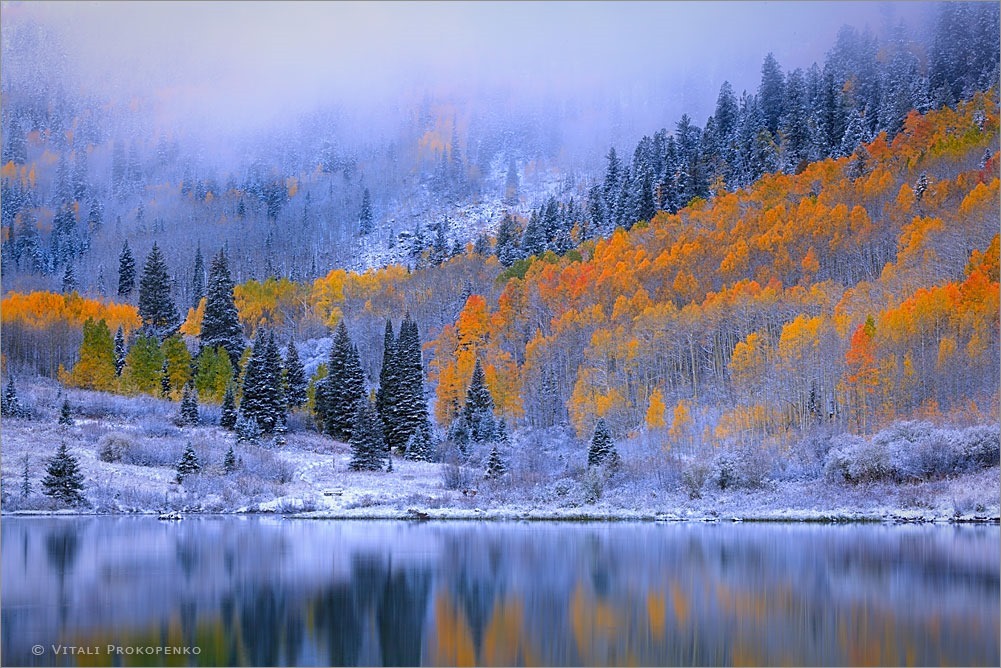
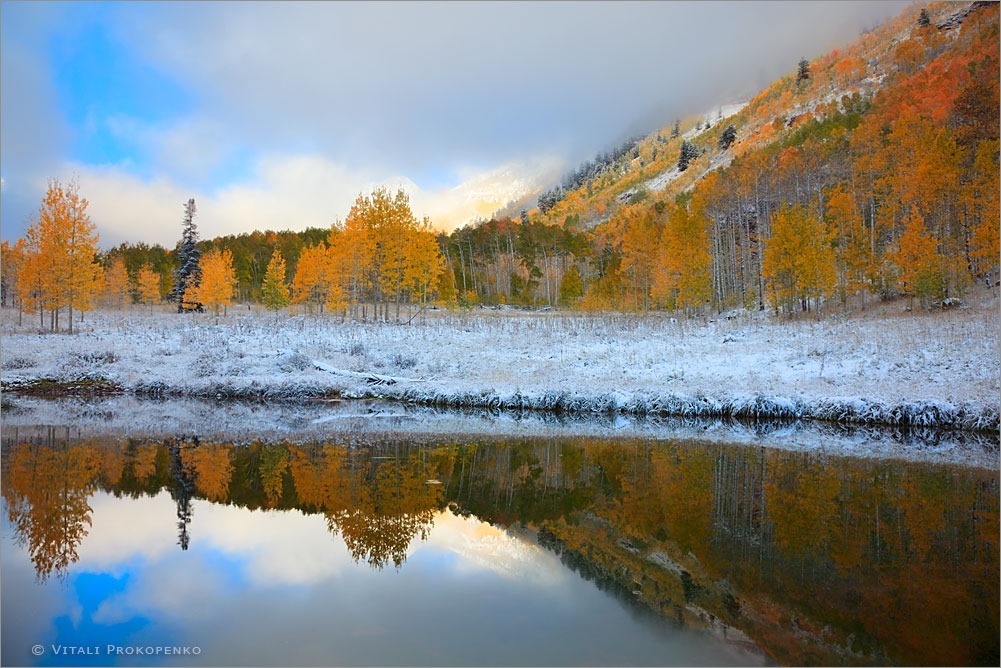
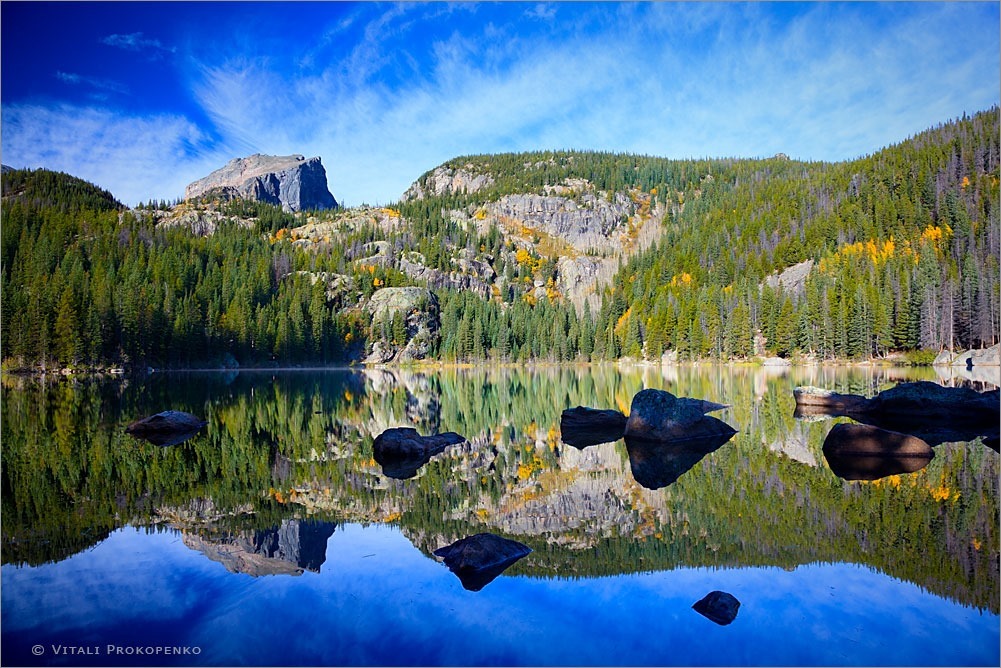
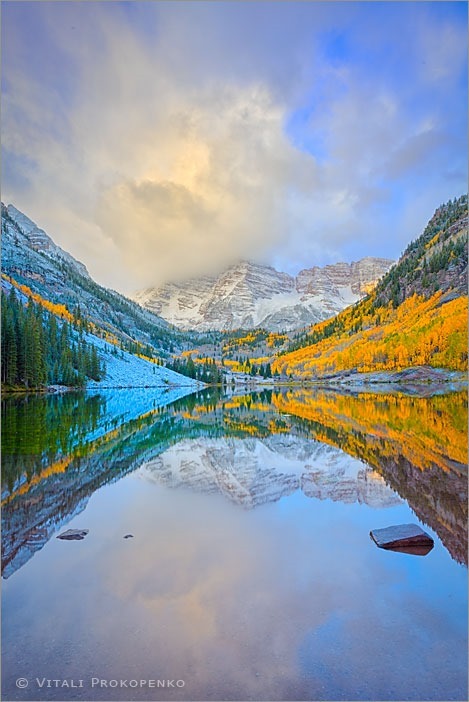
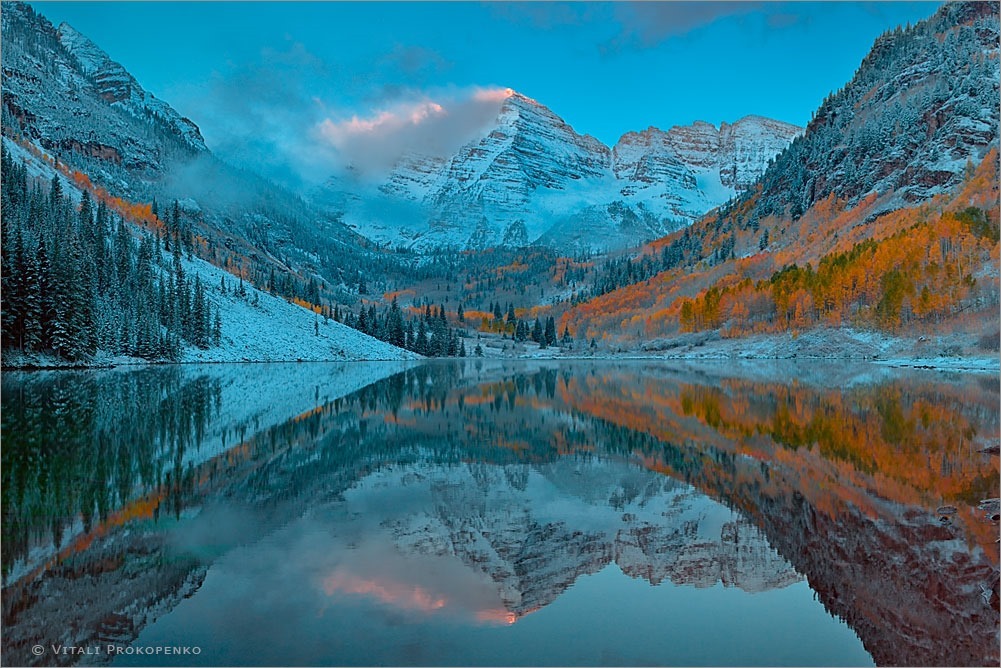
Reflections of Colorado Autumn

I’ve finally completed editing photos from my trip to Colorado. Despite my misadventures that I’ve already described I’ve brought quite a few photos of intimate places I really liked. There are a few themes I can see thru the photos. One of the themes are reflections. Here a few photos with reflections. Enjoy!

Overskinned. Story 1

Sunrise at Maroon Bells Lake

(A series of three stories – frustrating, scary and happy – with a common thread.)

At the dawn of photography back in 19th century there was this guy by the name Oliver Wendell Holmes, Sr who was a big advocate for photography in general and travel photography in particular. He talked about taking a photograph as taking a “skin” of reality that was based on his interpretation of an old Greek myth. I don’t want to go too far into that direction as it is not the point of my blog post. The interesting part is that he also warned of possibility of overskinning some scenes. He was concerned that some scenes might be photographed to the point when the scenes themselves will be not interesting. I came face to face with that on my trip to Colorado this fall.

***

Pacific Northwest has very limited opportunities for fall colors. You’d need to scramble for interesting fall color compositions outside cities in evergreen forests. Going to Colorado and diving into fall colors was a long waiting dream of mine. This year I finally went there. It turned to be a lot of what I expected, a lot more than I expected and some that I’d rather not have. This three stories with a common theme of what photography is for me and what it is not.

Since it was my first time in Colorado I did not have any places of my own in mind; I mostly traveled to well-known places. One of such places is Maroon Bells Lake. It is considered an iconic place of Colorado. Another photographer who went there last year warned me to come an hour before sunrise as there are quite a few photographers coming there to photograph sunrise there.

I scouted the place I want to photograph a day before and showed up there about an hour before sunrise. There were about 20 more photographers along the lake. The place I had scouted the day before was not occupied. I set up my camera on tripod and started waiting. It was freezing cold but everyone was jolly with anticipation. Over the hour that followed number of photographers slowly grew to 70 but everyone was polite and asked if they’re in the way when they setup camera.

Everything was well right up to sunrise, crowded but well. Right before sunrise a guy showed up and put his tripod right in front of my camera. When I politely noted that I was photographing there and he was blocking part of my frame, he said that everyone else was photographing too and would not move. I was pissed but not sure what to do about it except to frame a different image. There was still no way to completely avoid him, so I removed him from a corner of my image in Photoshop.

Next morning I went there without much enthusiasm but with a hope to still take the image I wanted. When I arrived there were already about 50 photographers. The spot where I wanted to make a photo was taken. I got what I got. By the sunrise there were more than a hundred photographers. It was crowded and did not feel very friendly. A guy on the right was frustrated with his gear which he had too much of; switching it constantly in indecision what to use; getting tangled up in it. I was locked into taking one and only one composition. Anything else would mean getting a bunch of tripods in my frame or getting myself into someone else’s frame. Can I be creative in such environment? No.

Melakwa Lake to Pratt Lake

This is a kind of interesting blog post: a trip report. Something that I have not done before. Another thing that is unique to this blog post is how fast I did post-processing of photos. Typically, it takes me days if not months after an actual trip. This time I’ve done it in a day.

Yesterday with a good company I went on a one way hike starting at Melakwa Lake trailhead and finishing at Pratt  Lake trailhead. It was an interesting and challenging hike, slightly over 14 miles long (not counting the side trips we took). Just walking it would take us 7 hours. 5 more hours we spent photographing and taking side trips. Overall the trip took us 12 hours. We started hiking at around 6am and finished around 6pm.

Not far from trailhead the trail passes under I-90 viaduct with its nice curve:

In 40 minutes we got to the first waterfall without a name. We just passed by since we tried to get to Keekwulee Falls by sunrise. It was another 30 minutes before we got to Keekwulee Falls and we missed sunrise which turned out to be not a big problem since there was no beautiful sunrise and the light was not aligning with the waterfall either.

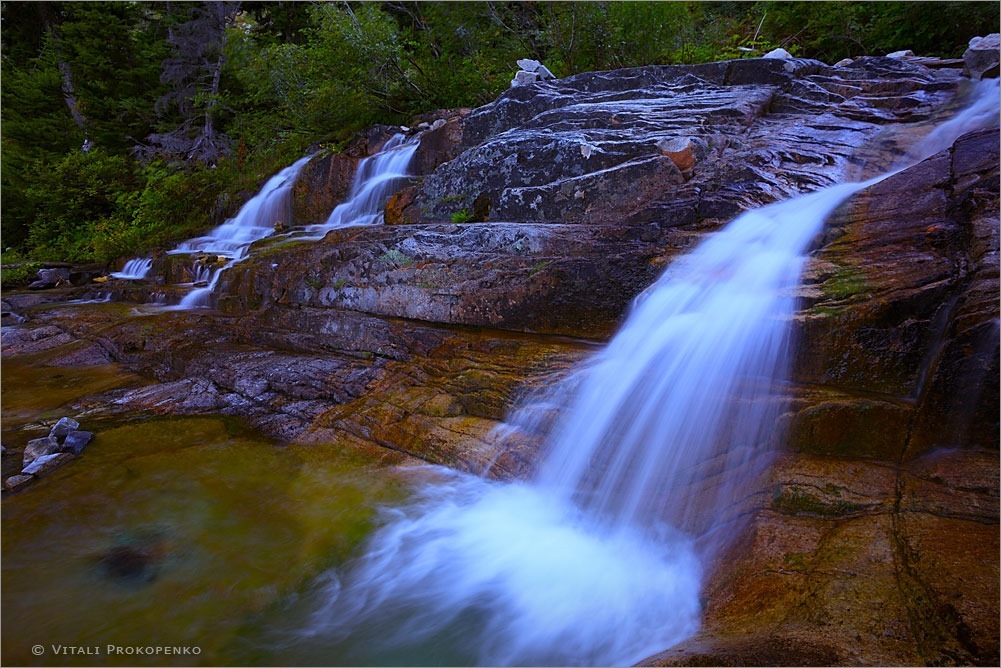
It was still great that we got there so early. The early morning sun was lighting up granite wall across the waterfall reflecting back soft warm light while waterfall itself stayed in shadow with water reflecting deep blue of the sky. Keekwulee Falls was a great destination for photography: it has so many intricate streams, cascading water, emerald pools, that provide endless opportunities for images.

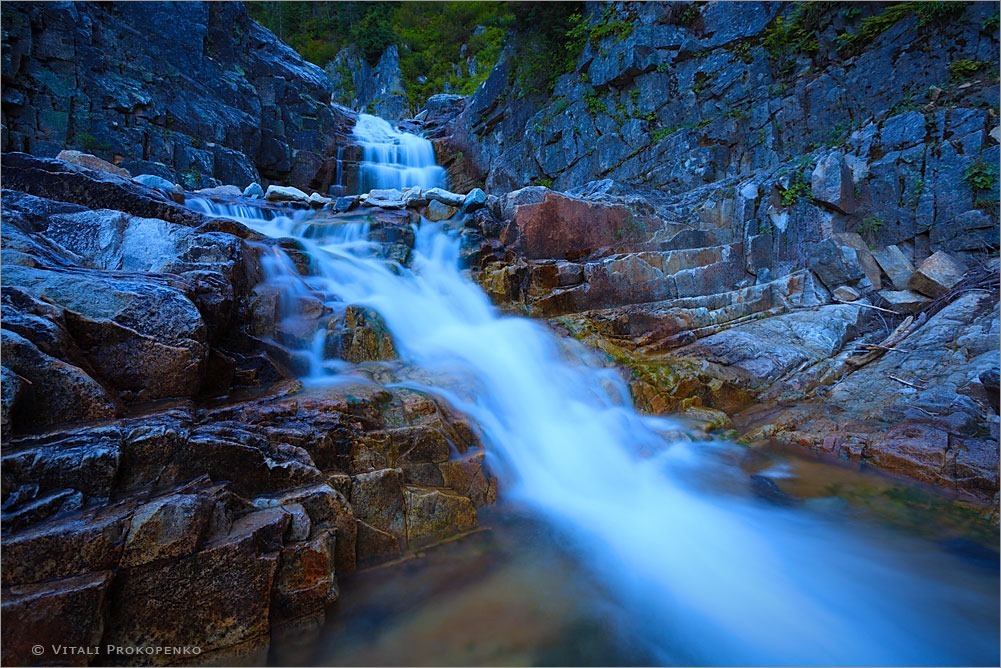
We spent one and a half hours by Keekwulee Falls. I could easily spend there even more making more images. Once we left this waterfall we went on climbing even steeper higher to a pass. Doing this early morning with air still cool after night definitely made it easier. At some point we passed one more waterfall but it had no close approach. We could barely see it thru trees. Once over the pass we quickly got to the first alpine lake on our hike: Melakwa Lake with Upper Melakwa Lake just a short distance away. At this point the sun was high. The light was flat – the kind of landscape photographers don’t like. I was not discouraged by that since the main goal was exploration. Still I made it a goal to take at least one interesting photo on each lake. So here the go in the order of appearance.

Melakwa Lake:

Lower Tuscohatchie Lake:

Near Pratt Lake:
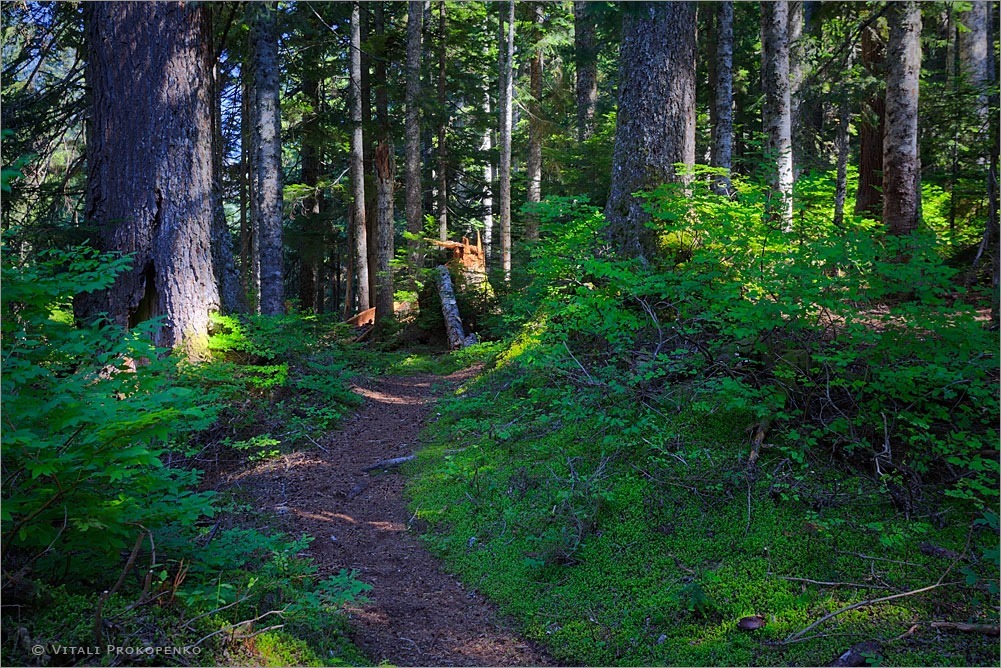
Pratt Lake:
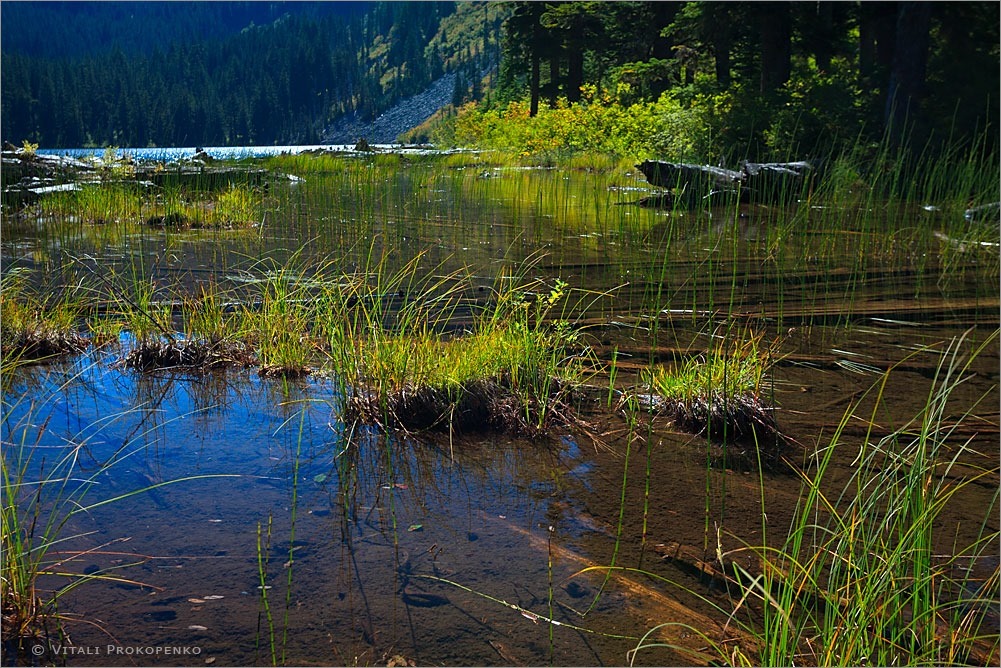
Pratt Lake was the last alpine lake on our trail. Once we passed it the trail went up steeply to a pass that would get us over the ridge closer back to civilization. Unfortunately I must say I did not find lakes very picturesque. The all elongated north to south with approaches from south or  north end surrounded by tall granite walls on both west and east side. This means that there is no photo opportunity at sunrise or sunset.

Once we got to the top of the ridge I saw this tree covered with bright orange mushrooms. Just had to take a picture of it:

Over the ridge and on the way down to Pratt Lake trailhead the trail was uneventful: monotonically old growth forest. It was an easy walk down but I was not surprise to see tired faces of people walking up. For them it was long, steep and boring hike. There were occasional small streams but they were lacking enough water to become interesting. It has been a very dry week here and it was a sunny side of the ridge. Still there was one interesting waterfall which I’d like to return back to after rain:

Bubbles

The main attraction of the lake by the small town of Nordegg is bubbles caught in the ice. As the lake freezes bubbles of air float up from the bottom of the lake to the surface where they are captured and then enveloped by ice. Those frozen bubbles form amazing surreal three-dimensional structures.

_MG_0744

_MG_0801

_MG_9629

Tough Climate

I think these two quite different photos capture the same feeling of the tough climate of Canadian Rockies in winter. Deep freeze ice with temperatures well below zero kept clean by sweeping winds so strong at times that it is hard to stay in one place on the ice.

_MG_8777

_MG_9005

_MG_0687

One Arrow, Many Photos

Just how many photos of the same subject can be made? Apparently a lot.

One of the key locations we photographed on the last trip to Canada was an artificial lake by a tiny town of Nordegg. The winter is bitterly cold their and the lake freezes deep enough to walk on ice. The constant wind blowing over the lake keeps the ice clean from snow. What’s most interesting is air bubbles that rise from the bottom of the lake just to be captured in ice building fantastic three-dimensional structures.

One of such structures was in a form of an arrow. I was so drawn to it that I spent hours photographing it over two days. Coming up with new and new ways to do it. Here is how it looked:

_MG_0283

Now how about using flashlight to highlight part of an arrow? That circle at the head of the arrow seems very attractive:

_MG_8975

How about showing the arrow in the context of the area surrounding it? Let it be the lead to othe bubbles:

_MG_8990

Let’s step further away. How about hiding the arrow in a landscape for a curious eye to find:

_MG_8915

I’ve done much more different photos of the same subject on that trip; they are just not as good.

I guess my point is that I don’t come-see-take a photo. I work with the subject, explore it visually and find many photos of it which eventually dwindles to a few ones I keep.

Let the Flashlight Be

Another example of playing with light. This time it is not at night but at twilight. There was already enough of ambient light and I had to use two flashlights to highlight an interesting bubble structure in the ice.

_MG_0663